Where Every Engagement Begins
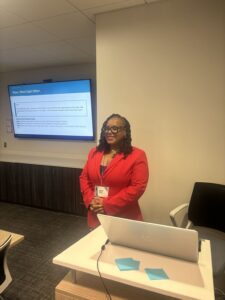
If I could return to the first year of Battle Plan, I would build the infrastructure before I needed it. Delegation and systems were lessons I learned later than I would have liked. I watched a version of that lesson unfold when we began working with a foundation. Their team was part-time, but their commitment to the community was unmistakable. Before we recommended a single tool, we joined their meetings and observed how the work moved from one person to the next. That season of listening shaped everything that followed, including the Asana environment we built around their needs and the training we delivered to the full team.
An operations audit formalizes that listening. It gives an organization a clear, documented picture of how it runs today, which is the only honest starting point for building what comes next.
Operations Are the Mission in Motion
Operations is the (sometimes) unglamorous machinery behind every program a nonprofit delivers. It is how decisions get made and recorded, how money moves from a grant award to a line item, how a project travels from an idea in a staff meeting to a finished deliverable, and how a new hire learns the job without relying on one colleague’s memory.
I consider infrastructure mission-critical, and I say that because our sector has spent decades treating it as overhead. Funders restrict dollars to programs, small teams stretch across roles they were never hired to hold, and the urgent needs of the community naturally take precedence over an onboarding process that lives in someone’s inbox. Each of those choices is understandable. Collectively, they leave organizations running on sheer effort, and effort eventually runs out.
Where Operations Break Down
Almost five years of working alongside nonprofits and foundations have shown me the same pain points again and again, regardless of budget size or issue area. The most common is critical knowledge living in one person’s head. When the program director who understands every funder’s reporting requirements resigns, years of context walk out the door with them, and the scramble to reconstruct what they knew begins immediately.
Projects tend to begin with enthusiasm and end with confusion about who owned what. New initiatives get approved without anyone asking whether staff have the capacity to carry them, timelines live in individual calendars, and handoffs between teams happen by memory, so work falls through the cracks with remarkable consistency.
Governance and finance carry their own strain. Staff are oftentimes unsure which decisions they can make and which belong to leadership or the board, and program managers rarely see budget-to-actual reports in time to adjust course. Meanwhile, program data sits in personal spreadsheets and inboxes, which is why the quarterly funder report becomes a week-long excavation.
Technology rounds out the picture. Many organizations have purchased a project management platform or a donor database, yet adoption stalls because no one was trained or named as its owner.
How Battle Plan Helps
Our work begins with listening. We sit in on meetings, learn how work actually moves through a team, and only then recommend the systems that fit. From there, we build them alongside your staff, whether that means documenting procedures your team will actually use, defining decision rights and board reporting rhythms, translating a strategic plan into owners and quarterly milestones, or configuring a project management platform and training people until it sticks.
For our foundation client, that meant building an Asana environment around a part-time team and training every member to use it. Their CEO and President later described the foundation as having been “taken to the next level.” A system the team never adopts is only a purchase, so we stay with a team through adoption.
The same approach has supported other clients, where our project management support helped build the resources and systems behind greater productivity across their team, and where we steadied the many moving pieces and stakeholders of an association management system transition.
Start With an Honest Baseline
As a PMP, I think of an audit as a baseline. In project management, you cannot measure progress without first documenting where you started, and organizational change works the same way.
That conviction is why we created the Battle Plan Operations & Project Management Audit, a self-assessment that takes about 30 minutes. Leaders rate everyday practices across their organization based on what is true today, and the audit returns an overall score along with the areas most in need of attention.
The score gives us a shared starting point for the hardest decision of all, which is choosing what to fix first when a team is already stretched across programs and funders.
Building Organizations That Last
Communities deserve institutions strong enough to keep their promises, and that strength is built in the operational details most people never see. An operations audit is where that building begins, with an honest look at how an organization runs today and a clear plan for how it will run tomorrow
If your organization has been running on sheer effort and a passion for the mission, I invite you to check your operations score. Once completed, we will schedule a complimentary 30-minute conversation to walk through your results together and name the two or three moves that will make the biggest difference for 2027.